

8 Eco-Friendly, Plastic-Lite Products That Actually Reduce Everyday Waste
How We Chose These Eco-Friendly Products
The 8 Best Eco-Friendly and Plastic-Lite Products
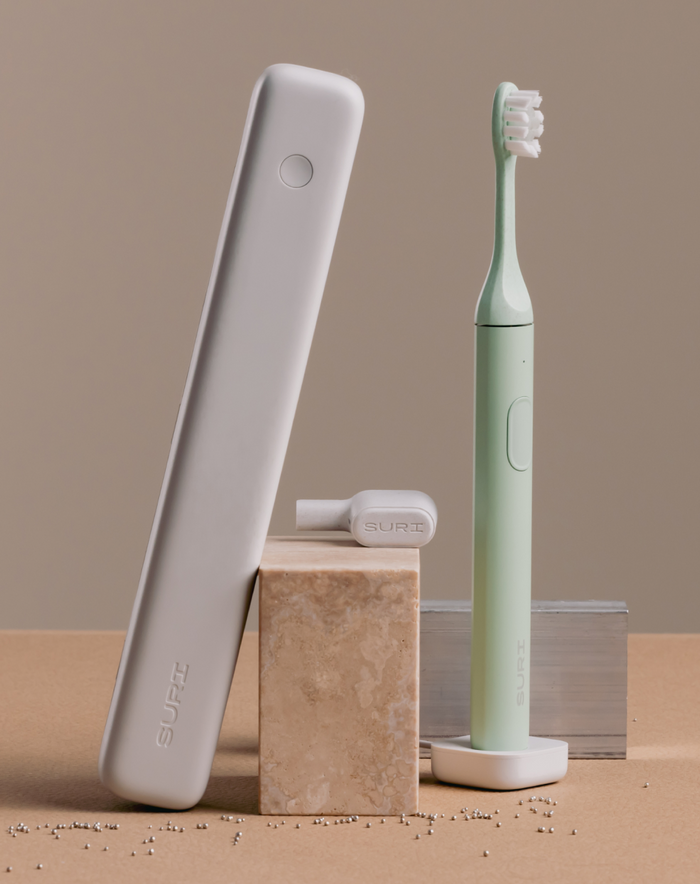
1. Suri Toothbrush: A Better Electric Toothbrush With Less Plastic
You can learn more about Suri here.
2. Blueland Cleaning Products: Refillable Cleaners That Actually Clean
Single-use plastic spray bottles are everywhere. Kitchen counters, bathrooms, and floors all rely on products that are mostly water shipped in plastic containers.
Blueland tackles this problem with refillable cleaning products. You keep a reusable bottle and drop in a compact tablet that dissolves in water. The result is a cleaner that works just as well as traditional sprays, without repeatedly buying new plastic bottles.
This system also reduces shipping weight and emissions since tablets are far lighter than pre-filled bottles. In everyday use, Blueland cleaners feel familiar and effective, whether you are wiping down countertops or cleaning a bathroom sink.
For anyone searching for plastic-free home cleaners that do not compromise on performance, Blueland is an easy place to start. They also offer a variety of other home cleaning products, like hand soaps, dishwasher detergent, and more.

3. Attitude Chapstick: Plastic-Free Lip Care That Performs
Lip balm tubes are a classic example of small items with an outsized waste problem. They are rarely recycled and often discarded after limited use.
Attitude offers plastic-free chapstick packaged in paperboard tubes. The formulas use organic ingredients and are designed to perform, not just check a sustainability box. The balm goes on smoothly, holds up in cold weather, and fits easily in a pocket or bag.
This is an example of a low-effort swap with immediate impact. An eco-friendly lip balm like Attitude proves that sustainability and performance do not have to be mutually exclusive.

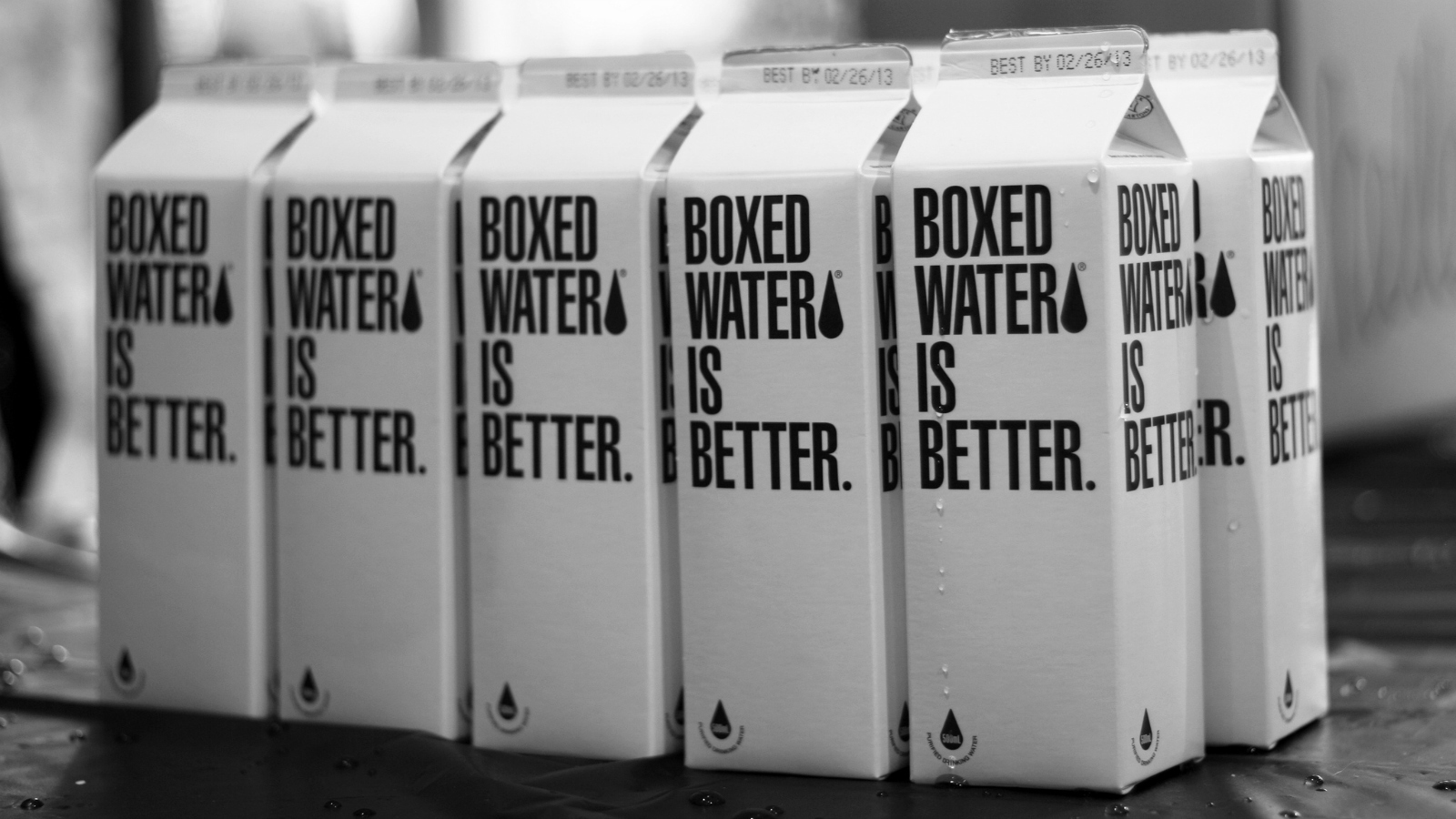
4. Boxed Water Is Better: Rethinking Single-Use Beverage Packaging
Plastic water bottles are one of the most visible sources of plastic pollution. While reusable bottles are ideal, there are situations where single-use options are still common.
Boxed Water Is Better offers a paper-based alternative. The cartons are primarily made from renewable materials and use significantly less plastic than traditional bottles. The company also invests in environmental initiatives related to reforestation and clean water.
It is important to be honest about tradeoffs. Boxed water is not perfect, and cartons still require proper recycling infrastructure. That said, when comparing boxed water vs plastic bottles, cartons represent a meaningful improvement in material use.
For events, travel, or occasional convenience, this is a more responsible choice in the eco-friendly bottled water category.
You can find Boxed Water Is Better at most major grocery retailers.
5. Premium Bamboo Paper Towels by Repurpose: A Smarter Paper Swap
Paper towels are a staple in most households, yet they often come wrapped in plastic and are made from trees that take decades to grow back.
Repurpose offers bamboo paper towels made from a fast-growing renewable resource. Bamboo regenerates quickly and requires fewer inputs than traditional trees. The towels are durable, absorbent, and designed to hold up during real messes.
This is a practical example of plastic-free paper products that do not feel flimsy or inferior. For households that rely on paper towels daily, switching to bamboo can reduce both plastic waste and environmental strain.

6. Planet Poop Dog Poop Bags: Compostable Bags That Actually Hold Up
There is a certain irony in cleaning up pet waste using plastic bags that will last for centuries. Yet many compostable options fall short when it comes to durability.
Planet Poop dog poop bags are made from compostable materials and are designed to be strong and leak-resistant. In real-world use, they hold up well and do not create anxiety during cleanup.
For pet owners looking for plastic-free pet supplies that still work as expected, this is a thoughtful and reliable alternative.
7. Stasher Reusable Silicone Food Storage Bags: Ditching Disposable Zip Bags
Single-use plastic food storage bags are one of the most common sources of everyday plastic waste. They are used once and thrown away, often without a second thought.
Stasher reusable silicone food bags provide a durable alternative. Made from high-quality silicone, they can be used in the freezer, microwave, and dishwasher. They seal tightly and are versatile enough for snacks, leftovers, and meal prep.
While silicone is not plastic-free in the strictest sense, these reusable silicone food bags dramatically reduce waste over time. One bag can replace hundreds of disposable ones, making this a high-impact swap for many households.
Try Stasher bags on their website.

8. Who Gives A Crap Bamboo Toilet Paper: A Low-Effort, High-Impact Swap
Toilet paper is not usually part of sustainability conversations, but it should be. Conventional toilet paper contributes to deforestation and often comes wrapped in plastic.
Who Gives A Crap offers bamboo toilet paper wrapped in paper instead of plastic. As a fast-growing grass, bamboo requires fewer resources than traditional wood pulp. The company also donates a portion of profits to sanitation projects worldwide.
With subscription delivery and quality that matches mainstream brands, this is one of the easiest plastic-free bathroom products to adopt. It is a reminder that everyday essentials can have a big environmental footprint.

How to Start Making Plastic-Lite Swaps Without Overthinking It
The biggest mistake people make is trying to change everything at once. That approach often leads to frustration and burnout.
A better strategy is to start with one or two high-frequency items. Bathroom products, cleaning supplies, or kitchen essentials are usually the easiest entry points. These are items you already buy regularly, so swapping them feels natural.
Progress matters more than perfection. Even a few sustainable everyday swaps can reduce plastic use significantly over time.
Small Swaps, Real Impact
Reducing plastic does not require a lifestyle overhaul or unrealistic standards. It requires better options that fit into real lives.
The products in this list show that eco-friendly products and plastic-free alternatives can be functional, affordable, and easy to adopt. Each swap may seem small, but together they add up to meaningful change.
At Sifts, we believe in a comprehensive approach to wellness in the modern world. That includes being mindful of our environmental footprint. While reducing plastic consumption is a critical step, we also recognize that exposure to environmental toxins like microplastics is often unavoidable. Supporting your body’s natural cleansing processes is another key part of a holistic wellness strategy.
The question is not whether you can eliminate plastic entirely. It is which everyday item you use the most that could be upgraded first. Start there, experiment with one swap this month, and build from there.